Deep Roots, New Growth - Spring Wellness Through the Wood Element, Yin Yoga and Traditional Chinese Medicine
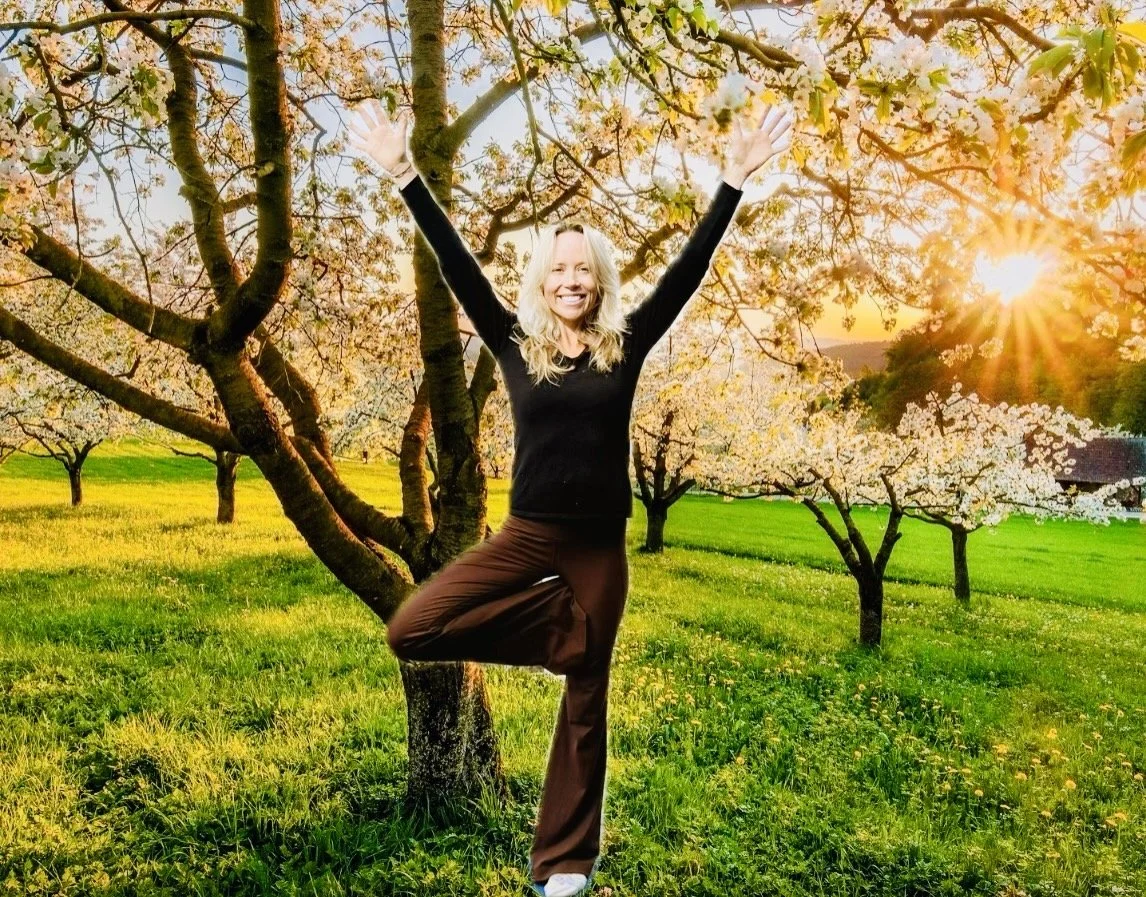
Tree Pose - Kaja Troa
There is something about spring that makes us want to open the windows, clear a cupboard, stretch our bodies and say yes to something new.
The days grow longer, the gardens begin to bloom, and those beautiful pink ocean sunsets linger a little later. Nature is changing—and sometimes we feel an invitation to change with it.
I love this season’s reminder that new beginnings don’t always require a plane ticket or a dramatic reinvention. Sometimes they begin with a walk, a nourishing meal, an honest conversation or a quiet hour on the mat.
In Traditional Chinese Medicine (TCM), spring corresponds with the Wood element and the Liver and Gallbladder systems. Together, they offer a rich framework for reflecting on growth, movement and the balance between having a vision and taking the next step.
The energetic language in this blog comes from traditional teachings. TCM organ systems extend beyond the anatomical organs, and meridians are traditional pathways of qi rather than established anatomical structures. These ideas can guide reflection and practice; they do not diagnose health conditions or establish that yoga treats organ disease.
The Wood element: rooted, flexible and ready to grow
TCM describes five elements, also called phases: Wood, Fire, Earth, Metal and Water. These represent changing qualities and relationships rather than simply physical substances.
Wood belongs to spring. Think of a shoot reaching towards the light, a tree putting out fresh leaves, or branches bending in the breeze. Its qualities include growth, direction, flexibility and renewal.
Spiritually, I find Wood a beautiful invitation to consider how we are growing. Are we making space for what matters? Are we holding so tightly to a plan that we cannot respond when life changes?
A tree needs roots as well as room to reach. We do, too.
Spring does not have to become another self-improvement project. You can honour its energy by choosing one small, meaningful change and allowing it time to take root.
Spring’s energy: moving gently outward
Within TCM’s seasonal framework, spring marks a movement towards greater yang: more light, activity and outward expression after winter’s quieter, inward qualities.
That might inspire creativity, connection or renewed motivation. Yet you do not have to feel energetic simply because the calendar says spring. Rest and renewal can happen together.
For me, seasonal wellness means responding to the day and the body I actually have. A bright morning might invite a walk or some Qigong. A cold, rainy evening might call for a warm meal and supported stillness.
We can welcome change without rushing it.
What are the Liver and Gallbladder meridians?
Meridians are the pathways through which qi, often translated as vital energy, is understood to circulate in TCM.
The Liver is the yin partner of the Wood element; the Gallbladder is its yang partner.
In traditional descriptions, the Liver channel travels from the big toe through the inner leg and groin, with internal connections extending through the torso. The Gallbladder channel follows a more winding route around the side of the head, down the side of the torso and along the outer leg towards the fourth toe.
These maps help explain why contemporary Yin teachers often pair spring themes with poses exploring the inner thighs, hips and sides of the body. This is an energetic interpretation of the practice, rather than proof that stretching changes the function of the liver or gallbladder.
Vision and action: the Wood partnership
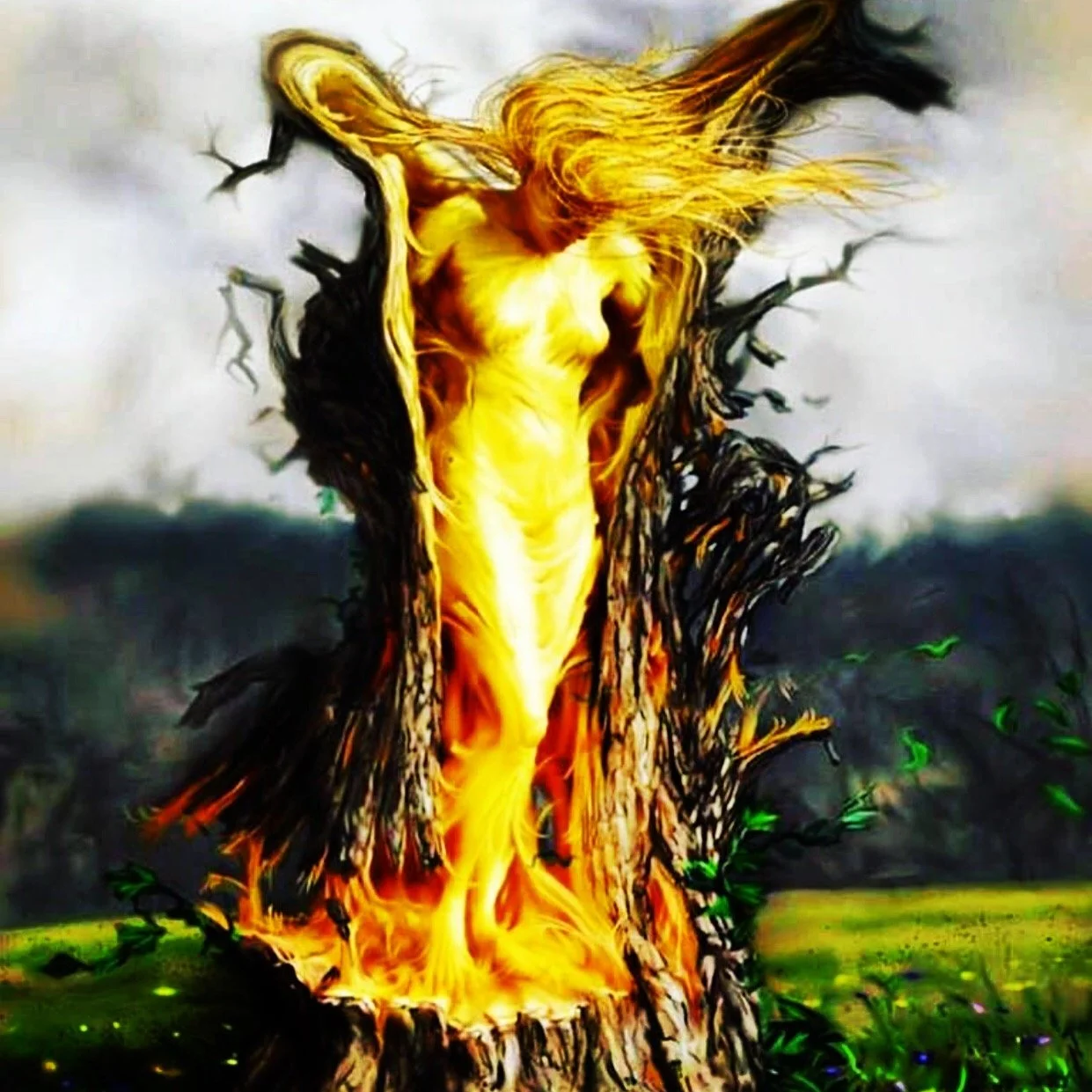
In TCM, the Liver system is associated with the smooth movement of qi. Within Five Element teachings, it is also linked with planning and vision.
The Gallbladder is associated with decision-making and the courage to act.
As a reflective metaphor, this partnership is wonderfully practical: we need space to imagine a direction and enough confidence to take a step towards it.
You might ask yourself:
● What would I like to nurture this season?
● What feels ready to change?
● What is one manageable action I can take?
● Where would a little flexibility serve me better than more effort?
You do not need the whole path mapped out before taking a kind, considered step.
What might disharmony look like?
TCM recognises different patterns of disharmony. “Liver imbalance” is not one universal condition, and a practitioner considers a person’s wider history and presentation rather than one symptom.
Traditional descriptions of constrained Liver qi may include frustration, irritability, a sense of being stuck and discomfort or tension. Headaches, digestive complaints and menstrual symptoms may also be considered within particular TCM patterns.
In the emotional language of Five Element practice, difficulty choosing a direction or acting with confidence may be explored through Gallbladder themes. These are associations within a traditional framework, not tests of organ health.
Anger is part of Wood’s traditional emotional correspondence. That does not mean anger is bad, that feeling it damages your liver, or that you have failed to stay balanced.
Sometimes frustration tells us that we are overloaded, unheard or in need of a boundary. A useful response may be rest, movement, support or a conversation—not another demand to be more positive.
Persistent pain, digestive changes, headaches or menstrual concerns deserve appropriate medical assessment. They should not be assumed to be “blocked energy.”
What does harmonious Wood feel like?
The traditional ideal is flexibility with direction: being able to plan, make decisions and adapt when circumstances change.
In everyday terms, I think of it as having room to respond. You can feel an emotion without immediately acting on it. You can pursue a goal without gripping it so tightly that it exhausts you. You can change your mind without feeling you have lost your way.
Harmony does not mean constant happiness or perfect health. These qualities are useful invitations for reflection, rather than proof that a meridian is balanced.
Yin Yoga for spring: no force, just flow
Yin offers a welcome pause when the world begins to move faster. In our spring practice, we explore positions that gently load the inner thighs, hips and sides of the body—areas traditionally associated with the Liver and Gallbladder channels.
The aim is a manageable sensation, with enough support to breathe comfortably. Sharp pain, joint pain, tingling or numbness are signals to come out or change position. Longer and deeper are not automatically better.
Butterfly
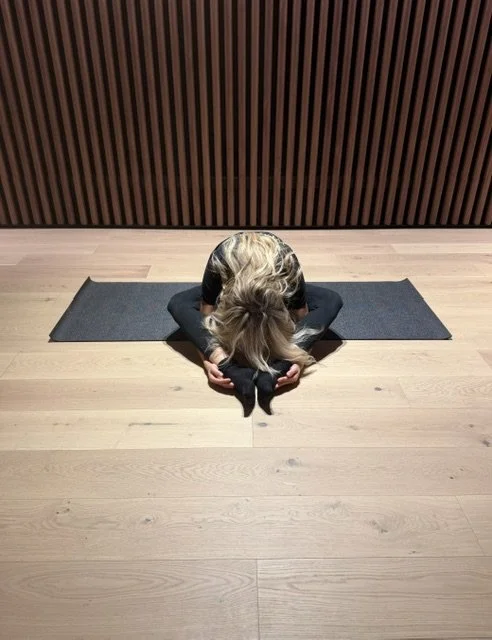
Butterfly Pose - Yin Yoga
Sit with the soles of your feet together and allow the knees to open. Keep the feet at a comfortable distance and support the knees or torso as needed.
Depending on your position, you may feel the inner thighs, outer hips or back. In Yin’s meridian framework, Butterfly can relate to Liver or Gallbladder themes according to the tissues being loaded.
An invitation: Can I soften without forcing myself to open?
Dragonfly
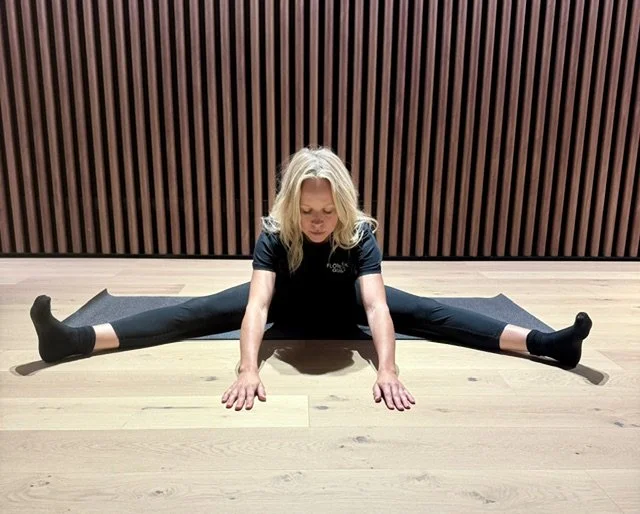
Dragonfly Pose - Yin Yoga
From a seated position, open the legs into a comfortable straddle, keeping the knees softly bent if helpful. Stay upright or fold a little, using support beneath the pelvis or in front of the torso.
Its inner-thigh emphasis makes Dragonfly a common choice for a Liver-themed practice.
An invitation: Can I make space without reaching for more?
Shoelace, or a supported alternative
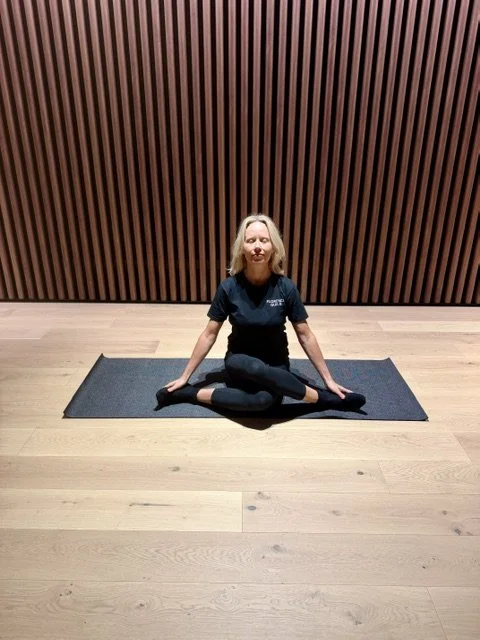
Shoelace Pose - Yin Yoga
Shoelace explores the outer hips and is often used for Gallbladder themes. Stacking the knees is optional; a simpler crossed-leg position or a reclined figure-four may suit your body better.
Avoid twisting or pressing into the knees to create the shape.
An invitation: Can I be flexible about how I get there?
A gentle Dragon
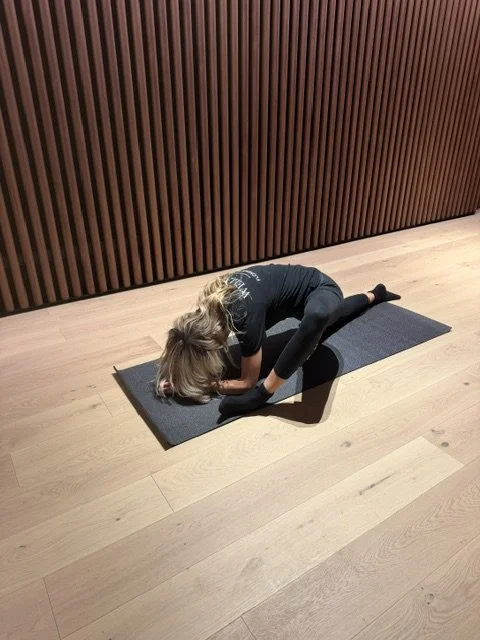
Dragon Pose with padding under the back knee - Yin Yoga
A padded low lunge can explore the front of the hip. Keep the hands on blocks or a chair and adjust the stance so you can settle comfortably.
Dragon appears in some Liver and Gallbladder sequences, but sensations and tolerable positions vary widely. Your experience matters more than reproducing a photograph.
An invitation: What does a supported step forward feel like?
Bananasana
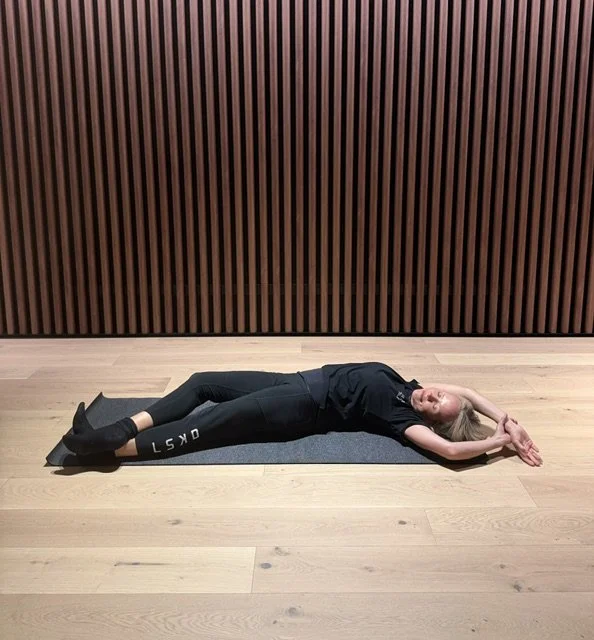
Bananasana - Yin Yoga
Lying on your back, gently move the legs and upper body towards the same side to create a comfortable crescent. Keep the hips grounded and support the arms if they are overhead.
The side-body emphasis is traditionally associated with the Gallbladder channel.
An invitation: Where could I allow more room to breathe?
Begin with short holds—perhaps one to two minutes—and adjust with a teacher’s guidance. Rest between sides or poses, and finish with supported relaxation. If you are injured, pregnant or have a condition affecting movement, seek individual advice about suitable variations.
These poses are opportunities for awareness and gentle movement; they do not detoxify the liver or remove stored emotions from specific tissues.
Eating with spring: fresh, colourful and nourishing
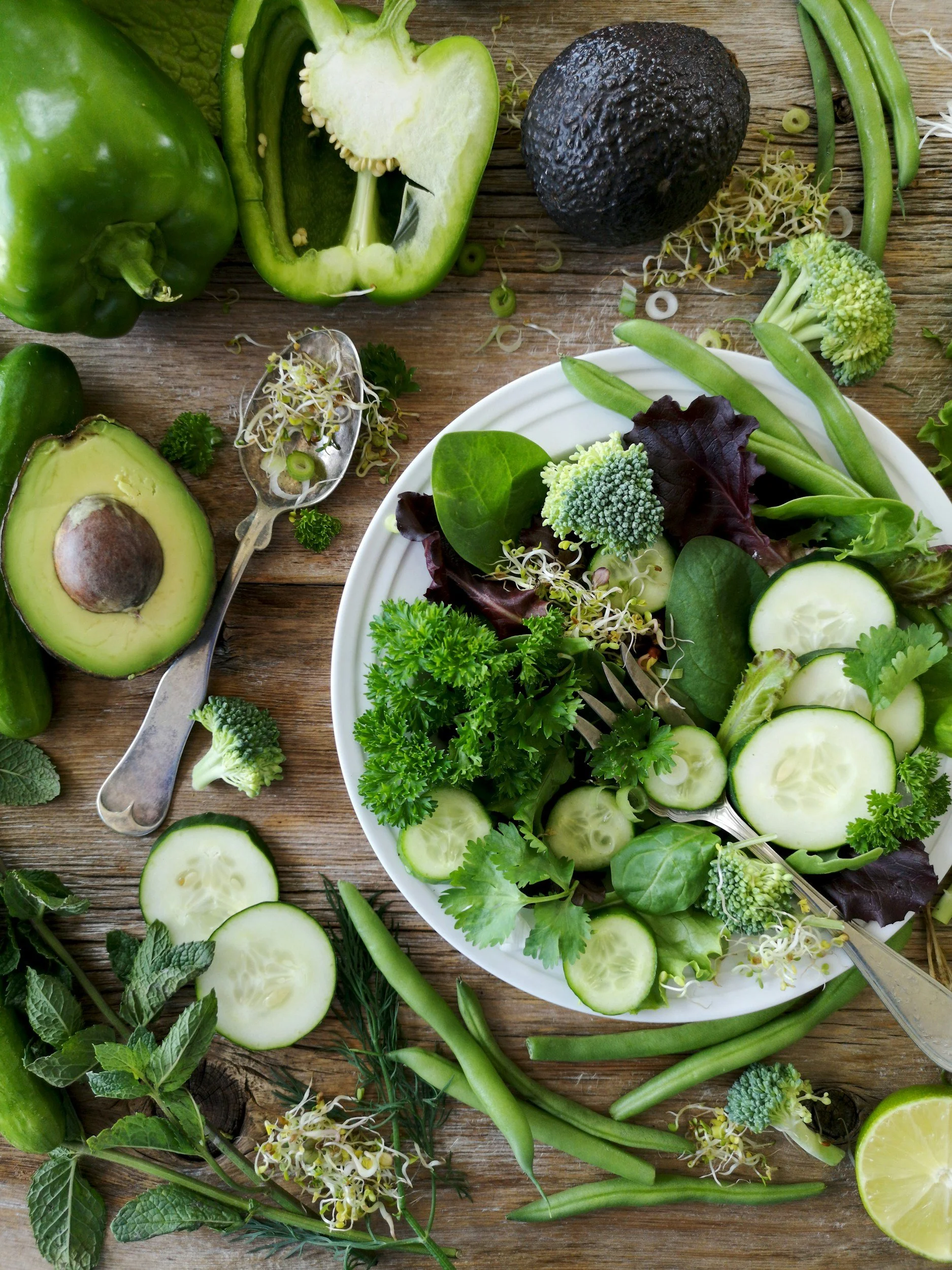
Fresh Green Veggies Herbs with Lime or Lemon and Healthy Fats.
Seasonal TCM food traditions consider flavour, preparation and a person’s individual needs. Green and sour are associated with Wood, but that does not mean everyone needs a plate of raw greens and lemon juice.
Different traditional recommendations vary. Some include modest sour flavours; others advise limiting sourness in spring and supporting digestion with naturally sweet foods such as grains and vegetables. There is no single “Wood diet” suitable for everyone.
A practical place to start is varied, regular meals using seasonal produce you enjoy.
Consider:
● Greens and vegetables: leafy greens, asparagus, peas, zucchini and broccoli, cooked or raw according to preference and tolerance.
● Fresh herbs: parsley, coriander, mint or basil for flavour and variety.
● Satisfying foundations: rice, oats or other grains, with beans, lentils, tofu, eggs, fish or another protein source you enjoy.
● A little brightness: lemon or a small amount of vinegar as a condiment, if it suits you.
Spring can still be chilly. Warm soups, gently cooked greens and nourishing grain bowls are lovely options. A meal of rice, sautéed vegetables and tofu or fish can feel fresh without leaving you hungry.
A seasonal refresh does not require fasting, detox teas or juice cleanses. Keep the emphasis on nourishment rather than restriction.
And make room to enjoy eating: sit down, take a breath, and give yourself a moment before the next task.
Small rituals for a season of renewal
Here are a few ways I like to bring spring’s themes into everyday life:
Move with kindness. Walk, dance, practise Qigong or stretch gently. Choose movement you enjoy.
Clear one small space. A drawer, a corner or a little room in the diary may be enough.
Let feelings have a voice. Journal, speak with someone you trust, or notice what an emotion is asking you to address.
Choose one intention. “I want to feel less rushed” becomes more useful when paired with a small action, such as leaving one evening free.
Keep your roots nourished. Regular meals, rest and supportive relationships give new growth somewhere to begin.

Supportive relationships/ commUNITY.
A journalling prompt for this season:
What am I ready to grow—and what support will help me grow gently?
Come back to yourself this spring
You are allowed to bloom slowly.
You can welcome the light, enjoy the longer days and explore something new while still giving yourself permission to rest.
That is the spirit I bring to our Monday Night Ritual: time to move kindly, settle into Yin, and receive a restful sound bath by the ocean.
Join me at 6:30pm on Mondays at Tamarama SLSC for 75 minutes of Yin Yoga and Sound Healing, exploring spring’s Wood element with curiosity and care. Special immersions are separately ticketed.
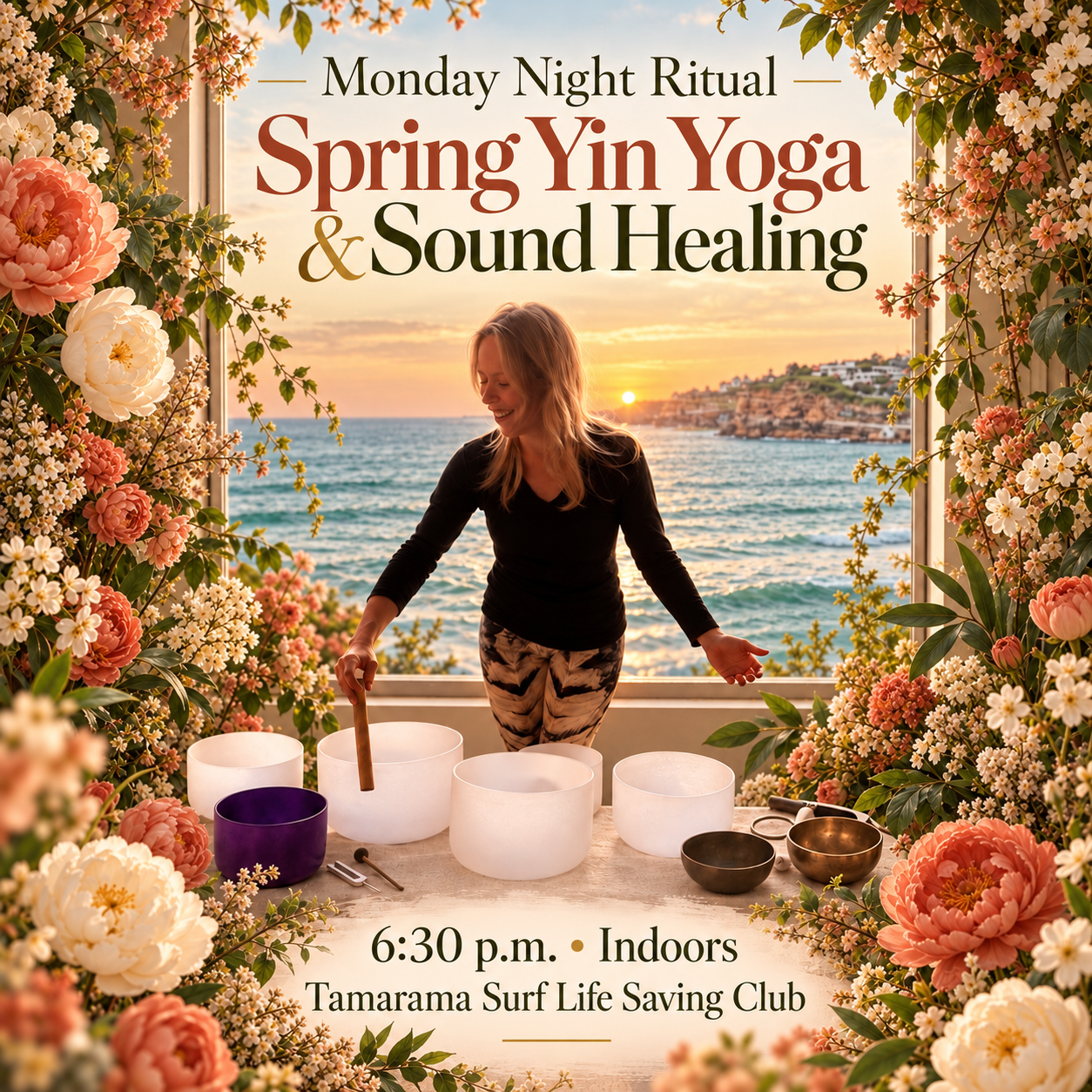
Monday Night Ritual - Yin Yoga & Sound Healing @Tamarama Surf Club.
With love,
Kaja x
